
Heat Treatment vs Chemical Treatment for Bed Bugs: Which Works Best for Fast, Permanent Elimination in 2026?
Many property owners are stuck deciding between heat treatment and chemical treatment for bed bugs, unsure which delivers lasting results. The wrong choice can lead to reinfestation, repeat costs, and prolonged disruption.
This guide breaks down both methods clearly so you can understand the best way to get rid of bed bugs permanently with professional insight.
Why Bed Bug Infestations Are So Difficult to Eliminate
Bed bugs are highly resilient pests with a rapid reproduction cycle.
They typically:
- Hide deep inside mattresses, bed frames, and furniture cracks
- Lay eggs that are resistant to many treatments
- Spread quickly between rooms and adjoining properties
DIY solutions often fail because they only treat surface-level activity. As a result, infestations continue to grow unnoticed.
Heat Treatment for Bed Bugs (How It Works)
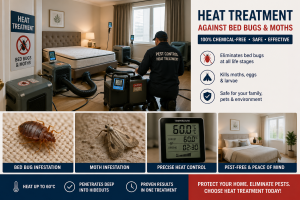
Heat treatment uses specialist equipment to raise room temperatures to levels lethal for all bed bug life stages, including eggs. The heat penetrates:
- Mattresses and bedding
- Furniture joints
- Wall voids and flooring gaps
This ensures complete thermal eradication in a single controlled process.
Pros and Cons of Heat Treatment
✔ Fast elimination in most cases
✔ No chemical residue left behind
✔ Effective against eggs, nymphs, and adults
✖ Requires specialist professional equipment
✖ Higher upfront cost compared to chemicals
✖ Not suitable for all structural environments
Chemical Treatment for Bed Bugs (How It Works)
Chemical treatment involves targeted insecticide application to infested areas, creating a residual barrier that continues killing bed bugs over time. It typically requires:
- Multiple treatment visits
- Follow-up inspections
- Combined product application strategies
Pros and Cons of Chemical Treatment
✔ More affordable initial treatment option
✔ Effective when infestations are localised
✔ Residual protection after application
✖ Often requires repeated treatments
✖ Bed bug resistance can reduce effectiveness
✖ Slower overall elimination process
Heat vs Chemical Treatment: Direct Comparison
Effectiveness
- Heat: Eliminates all life stages in one treatment
- Chemical: May require multiple applications
Speed of Results
- Heat: Immediate results within hours
- Chemical: Gradual reduction over days or weeks
Safety Considerations
- Heat: Chemical-free but requires controlled conditions
- Chemical: Requires safe application and ventilation
Cost Over Time
- Heat: Higher upfront, lower repeat costs
- Chemical: Lower initial cost, higher long-term if reinfestation occurs
Suitability
- Heat: Ideal for severe infestations, hotels, multi-room properties
- Chemical: Suitable for early-stage or localised infestations
Which Treatment Works Best Against Bed Bugs?
The answer depends on infestation severity.
- Heat treatment is typically the most effective option for widespread infestations or commercial properties where rapid downtime reduction is essential.
- Chemical treatment can be effective for smaller, early-stage infestations or as part of an integrated pest control plan.
In most professional assessments, heat treatment delivers the best way to get rid of bed bugs permanently, particularly where complete eradication is required quickly.
However, a professional inspection is essential before deciding, as the wrong method can prolong the problem.
Professional Bed Bug Treatment vs DIY Attempts
DIY treatments often fail because bed bugs hide in inaccessible areas and develop resistance to over-the-counter products.
Risks of DIY include:
- Spreading infestation to other rooms
- Wasting money on ineffective products
- Delaying proper eradication
- Increased long-term treatment costs
Professional pest control ensures:
- Correct identification and severity assessment
- Industry-grade treatment application
- Follow-up inspections for complete eradication
Prevention Tips After Bed Bug Treatment
After successful extermination, prevention is essential to avoid reinfestation:
- Use mattress and pillow encasements
- Inspect bedding and furniture regularly
- Be cautious when travelling and check luggage
- Monitor early signs such as bite marks or spotting
- Reduce clutter to limit hiding spaces
Heat treatment kills bed bugs by raising room temperatures to lethal levels, eliminating all life stages in a single session. Chemical treatment uses insecticides that may require multiple applications. Heat is usually faster and more effective for severe infestations, while chemicals suit smaller, localised outbreaks.
Expert Pest Control Tips & Proven Methods to Eliminate Infestations Quickly and Effectively
- Why Do I Suddenly Have Ants in My Kitchen? (Hidden Causes Most Homeowners Miss)
- How Do Rats Get Into High-Rise Buildings in London?
- Why Professional Pest Clearance is Essential Before Moving Into a New Flat
- Eco-Friendly Pest Control: Are Green Methods Effective Against Common Pests?
- Heat Treatment vs Chemical Treatment for Bed Bugs: Which Works Best for Fast, Permanent Elimination in 2026?
- How to Stop Pigeons Roosting on Office Buildings in Canary Wharf
- Why Rodent Problems Are Increasing in City Centres Like Canary Wharf
- Cockroach Infestations in Canary Wharf: Causes and Professional Pest Solutions