
How to Stop Pigeons Roosting on Office Buildings in Canary Wharf
Left untreated, the problem compounds: reputational damage, increased cleaning costs, and potential health and safety concerns for tenants and visitors. In a high-profile business district like Canary Wharf, even minor facade contamination can undermine a building’s professional image.
This guide outlines how to stop pigeons roosting on office buildings in Canary Wharf using proven, long-term commercial pigeon control strategies designed for property managers and facilities teams.
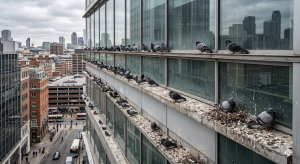
Why Pigeons Target Office Buildings in Canary Wharf
Modern office towers provide the ideal conditions for pigeons to roost and nest. Canary Wharf’s dense architecture and sheltered ledges create consistent access points for birds seeking safety and warmth.
Key attraction factors include:
- High-rise ledges offering protection from predators
- Warm airflow from HVAC and ventilation systems
- Food sources from nearby public spaces and waste areas
- Flat roofing and signage structures ideal for nesting
Once pigeons establish a roosting site, they tend to return repeatedly, making early intervention essential.
Risks and Damage Caused by Pigeon Roosting
Ignoring pigeon activity on commercial buildings leads to escalating operational and financial consequences.
Cost of Property Damage
Pigeon droppings are highly acidic and can corrode building materials, leading to long-term facade deterioration.
Health and Hygiene Risks
Accumulated droppings and nesting debris can harbour bacteria, creating hygiene compliance concerns in public and office environments.
Reputational Impact
Visible bird fouling on entrances or glazing areas can damage tenant confidence and client perception.
Operational Disruption
- Blocked gutters and drainage systems
- Unsafe walking areas due to droppings
- Increased cleaning and maintenance cycles
Legal and Compliance Considerations in London
Commercial property managers must also consider UK health and safety obligations. While pigeons are not legally protected in most urban pest contexts, duty of care regulations require buildings to be maintained in a safe and hygienic condition.
Failure to manage infestations may lead to:
- Breaches of workplace hygiene standards
- Increased liability risk for slip hazards
- Non-compliance with facilities management obligations
Entry Points and Building Vulnerabilities in Canary Wharf Offices
Understanding how pigeons access buildings is critical for effective prevention.
Common entry and roosting points include:
- Window ledges and architectural recesses
- Roof plant equipment and signage frameworks
- Open ventilation gaps and service voids
- Balcony-style structural features on modern developments
Professional surveys are essential to identify these vulnerabilities before infestations become established.
Proven Professional Pigeon Control Solutions
Effective pigeon control requires a tailored, multi-layered approach designed for commercial buildings.
1. Bird Netting Systems
A long-term exclusion method that prevents access to ledges, courtyards, and roof spaces.
2. Stainless Steel Bird Spikes
Ideal for ledges, signage, and beams where pigeons attempt to land.
3. Tensioned Wire Systems
Discreet deterrent solutions for architectural features where aesthetics matter.
4. Shock Track Systems
Low-profile electrified deterrents used in high-pressure roosting zones.
5. Building-Specific Deterrent Planning
Every Canary Wharf office block requires a bespoke strategy based on elevation, exposure, and architecture.
Commercial Bird Proofing Strategy for Property Managers
Facilities teams should adopt a preventative maintenance mindset rather than reactive pest control.
Best practice includes:
- Routine facade inspections
- Early installation of deterrent systems on new builds
- Scheduled cleaning of roosting-prone zones
- Monitoring known pigeon activity hotspots
Early intervention significantly reduces long-term costs and disruption.
Why Professional Pigeon Control Is Essential in Canary Wharf
High-rise commercial environments demand specialist expertise. Improper installation of deterrent systems can result in ineffective coverage and ongoing infestation.
Experienced pest control professionals ensure:
- Correct system selection for building type
- Full compliance with UK safety standards
- Discreet installation preserving building aesthetics
- Long-term prevention rather than temporary relief
Pigeon activity escalates quickly on commercial buildings, especially in high-density areas like Canary Wharf. Early intervention prevents structural damage, hygiene issues, and costly reactive maintenance.
Book a professional inspection today to assess your building’s risk zones and receive a tailored pigeon proofing solution.
Request a free site assessment or emergency callout and secure long-term protection for your property before the problem worsens.
Expert Pest Control Tips & Proven Methods to Eliminate Infestations Quickly and Effectively
- Why Do I Suddenly Have Ants in My Kitchen? (Hidden Causes Most Homeowners Miss)
- How Do Rats Get Into High-Rise Buildings in London?
- Why Professional Pest Clearance is Essential Before Moving Into a New Flat
- Eco-Friendly Pest Control: Are Green Methods Effective Against Common Pests?
- Heat Treatment vs Chemical Treatment for Bed Bugs: Which Works Best for Fast, Permanent Elimination in 2026?
- How to Stop Pigeons Roosting on Office Buildings in Canary Wharf
- Why Rodent Problems Are Increasing in City Centres Like Canary Wharf
- Cockroach Infestations in Canary Wharf: Causes and Professional Pest Solutions