
Why Do I Suddenly Have Ants in My Kitchen? (Hidden Causes Most Homeowners Miss)
One day your kitchen is spotless – next, it’s crawling with ants. This sudden invasion isn’t random. It’s a clear signal that something in your environment is attracting them.
If you don’t act quickly, what starts as a few ants can turn into a full infestation within days.
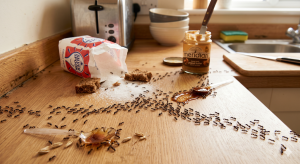
The Real Reason Ants Suddenly Appear Indoors
Ants don’t invade without a reason. When they show up in your kitchen, it’s because they’ve found three things they need:
- Food
- Water
- Shelter
Once a single ant discovers a reliable source, it leaves a scent trail—bringing dozens, then hundreds, right behind it.
Hidden Causes of Ant Infestations in Kitchens
1. Invisible Food Residue You Didn’t Notice
Even clean kitchens can attract ants. Tiny traces are enough:
- Sugar spills on worktops
- Crumbs under appliances
- Sticky residues on jars or packaging
Ants can detect food sources that are invisible to the human eye.
2. Moisture Build-Up and Damp Areas
Water is just as attractive as food. Common problem spots include:
- Leaking pipes under sinks
- Condensation behind appliances
- Damp dishcloths or sponges
Moisture creates the perfect environment for ants to thrive indoors.
3. Easy Access Points You Didn’t Seal
Ants can enter through extremely small gaps:
- Cracks in walls or tiles
- Gaps around windows and doors
- Openings around pipework
Once inside, they establish trails quickly and efficiently.
4. Seasonal Behaviour Changes
Ant activity often spikes during:
- Spring and summer (peak foraging season)
- Sudden weather changes (heavy rain or heat)
When outdoor conditions shift, ants move indoors in search of stability.
5. Nearby Nests You Didn’t Know Existed
If ants are appearing suddenly, there’s likely a nest:
- In walls or under flooring
- Beneath patios or driveways
- Inside insulation or cavities
Kitchens are often the closest food source to these hidden colonies.
Why Ignoring the Problem Makes It Worse
An ant problem rarely resolves itself. Left untreated:
- Colonies expand rapidly and become harder to eliminate
- Ants spread into other rooms beyond the kitchen
- Food contamination becomes a hygiene risk
- DIY treatments lose effectiveness over time
Early action is critical to avoid a larger infestation.
What You Should Do Immediately
Step 1: Remove Food Sources
- Wipe down all surfaces thoroughly
- Store food in sealed containers
- Clean under appliances and hard-to-reach areas
Step 2: Eliminate Moisture
- Fix leaks immediately
- Dry sinks and surfaces overnight
- Improve ventilation where possible
Step 3: Disrupt Ant Trails
- Clean affected areas with vinegar or antibacterial spray
- This removes scent trails and confuses the colony
Step 4: Seal Entry Points
- Use sealant around cracks and gaps
- Install door sweeps if needed
When DIY Isn’t Enough
If ants keep returning despite cleaning and sealing, the problem is likely deeper:
- A well-established colony nearby
- Multiple entry points
- Hidden nesting sites inside the property
Professional pest control is often required to locate and eliminate the source effectively.
Expert Insight: Why Ant Infestations Keep Coming Back
Most homeowners only treat the visible ants—not the colony. Without targeting the nest, the infestation will continue to return.
Professional treatments focus on:
- Identifying the species
- Tracing the colony location
- Applying targeted solutions that eliminate the source
Ants in your kitchen are an early warning sign – not a minor inconvenience. The longer you wait, the more difficult and expensive the problem becomes.
If ants keep returning despite your efforts, it’s time to take control properly. A professional assessment can identify the root cause and eliminate the infestation at source.
Book an expert inspection today and stop the problem before it spreads further.
Expert Pest Control Tips & Proven Methods to Eliminate Infestations Quickly and Effectively
- Why Do I Suddenly Have Ants in My Kitchen? (Hidden Causes Most Homeowners Miss)
- How Do Rats Get Into High-Rise Buildings in London?
- Why Professional Pest Clearance is Essential Before Moving Into a New Flat
- Eco-Friendly Pest Control: Are Green Methods Effective Against Common Pests?
- Heat Treatment vs Chemical Treatment for Bed Bugs: Which Works Best for Fast, Permanent Elimination in 2026?
- How to Stop Pigeons Roosting on Office Buildings in Canary Wharf
- Why Rodent Problems Are Increasing in City Centres Like Canary Wharf
- Cockroach Infestations in Canary Wharf: Causes and Professional Pest Solutions